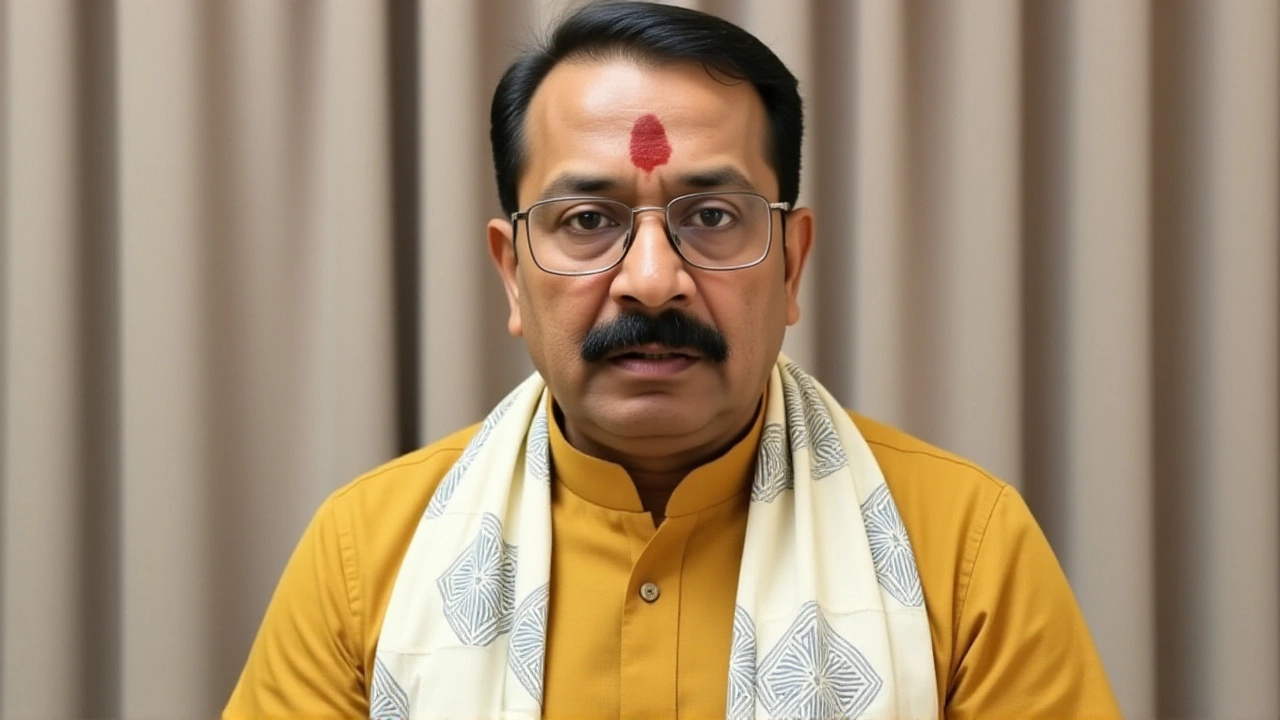
Uttar Pradesh Launches Digital Anti-Corruption Portal for Citizens
When Government of Uttar Pradesh launched its new digital anti-corruption portal, it wasn't just another bureaucratic website update. It was a direct challenge to the entrenched culture of bribery that has long plagued public services in India's most populous state. The platform allows any citizen to file confidential complaints against corrupt officers, track their status in real-time, and demand accountability through a transparent digital trail.
The initiative comes amid growing frustration over systemic corruption, where citizens often face demands for bribes ("ghus") just to access basic government services. Here's the thing: while political rhetoric about fighting corruption is common, actual mechanisms for ordinary people to report misconduct without fear of retaliation have been scarce. This portal changes that dynamic significantly.
How the Complaint System Works
The process is surprisingly straightforward. A citizen can register a complaint online against any state government officer or employee they believe is engaging in corrupt practices. Once submitted, the system generates a unique tracking number, allowing the complainant to monitor the progress of their case via mobile devices. There's also a feedback section where users can suggest improvements to how their complaints are handled.
But wait - there's more. According to legal experts familiar with the system, if a citizen records a video of an officer demanding a bribe, they can submit this evidence along with a written application to the nearest Anti-Corruption Organisation police station. The complaint is then transmitted digitally to a special department at the state secretariat. Crucially, the accused receives no notification that a complaint has been filed, protecting the whistleblower from potential retaliation.
"This creates a level playing field," explains one legal analyst. "Previously, filing a corruption complaint meant walking into a police station and potentially facing harassment from colleagues of the accused officer. Now, the entire process is digitized and confidential."
Legal Framework Behind the Fight
The portal operates under the Prevention of Corruption Act, 1988, which was significantly amended in 2018. The amendment closed a major loophole by making it a crime not just to take bribes, but also to give them. Under the current law, both parties in a corrupt transaction face imprisonment ranging from three to seven years, plus substantial fines.
Here's where it gets interesting. The law requires prior approval from competent authorities before investigating many public servants, politicians, and bureaucrats. However, this protection doesn't apply if someone is caught red-handed during a sting operation or when concrete evidence like video recordings is presented. This distinction is crucial for understanding why the UP government emphasizes collecting visual evidence.
The Central Vigilance Commission in New Delhi remains the apex body for monitoring corruption across central government agencies. Citizens can still contact them directly at 011-24600200 or send detailed complaints to their office at Vigyan Bhavan, A-Block GPO Complex, INA New Delhi-110023. But the state-level portal offers faster, more localized resolution for issues involving state employees.

Why This Matters Now
Corruption isn't just a moral failing; it's an economic drain. Studies estimate that Indians lose billions annually to petty corruption in healthcare, education, and public utilities. When an officer demands ₹500 to process a routine license application, it might seem small. Multiply that by millions of transactions daily, and you're looking at a massive leakage of public trust and resources.
The twist is that technology alone won't solve this problem. What makes the UP portal potentially effective is its integration with existing legal frameworks and police procedures. Unlike previous initiatives that created parallel systems prone to manipulation, this platform works within established anti-corruption bureaus while adding transparency through digital tracking.
Still, skepticism persists. Critics point out that similar portals in other states have struggled with delayed responses, lack of follow-up action, and inadequate protection for whistleblowers. The success of this initiative will depend heavily on whether the state government enforces consequences for officers found guilty and protects those who come forward with evidence.

What Comes Next?
In the coming months, observers will be watching several key indicators: How quickly are complaints being processed? What percentage result in disciplinary action or criminal charges? Are whistleblowers experiencing any adverse consequences after filing reports? These metrics will determine whether this represents genuine reform or merely symbolic gesture politics.
Meanwhile, citizens are encouraged to document every interaction with government officials. Keep receipts, record conversations where legally permissible, and save all correspondence. In the fight against corruption, evidence is everything. As one activist put it, "A bribe demanded without proof is just a story. A bribe recorded on video is a case."
Frequently Asked Questions
Who can file a complaint through the Uttar Pradesh anti-corruption portal?
Any citizen residing in Uttar Pradesh can file a complaint against any state government officer or employee suspected of corruption. The portal is open to all residents regardless of caste, religion, or socioeconomic status. You don't need to be a victim yourself; witnesses and third parties can also report observed corrupt practices. The system accepts complaints related to bribery, embezzlement, favoritism, and abuse of power by public servants.
Is my identity protected when I file a corruption complaint?
Yes, the portal is designed to maintain confidentiality throughout the complaint process. Your personal details are encrypted and accessible only to authorized anti-corruption officials. The accused officer does not receive any notification identifying the complainant until formal legal proceedings begin, if ever. Additionally, submitting video evidence through registered channels ensures your information stays within secure government networks rather than circulating publicly.
What happens if I'm caught giving a bribe instead of receiving one?
Under the Prevention of Corruption (Amendment) Act, 2018, offering a bribe is equally punishable as accepting one. If caught, you could face imprisonment from three to seven years plus heavy fines. However, the law recognizes coercion - if you can prove you were forced to pay under threat of losing essential services, courts may consider mitigating circumstances. Always document such interactions thoroughly before taking any action.
How long does it take for a corruption complaint to be investigated?
The official timeline varies depending on case complexity, but initial acknowledgment should occur within 72 hours of submission. Preliminary investigations typically begin within two weeks if sufficient evidence exists. Full inquiries involving multiple witnesses or complex financial trails may take several months. You can check real-time status updates using your unique complaint reference number through the portal's tracking feature.
Can I file a complaint against central government employees using this portal?
No, this specific portal handles complaints against Uttar Pradesh state government employees only. For central government officials, you must approach the Central Vigilance Commission directly. Their headquarters in New Delhi accepts complaints via phone (011-24600200), fax (011-24651010 / 011-24651186), or postal mail sent to Vigyan Bhavan, A-Block GPO Complex, INA New Delhi-110023. Each jurisdiction maintains separate investigative protocols.



About Author