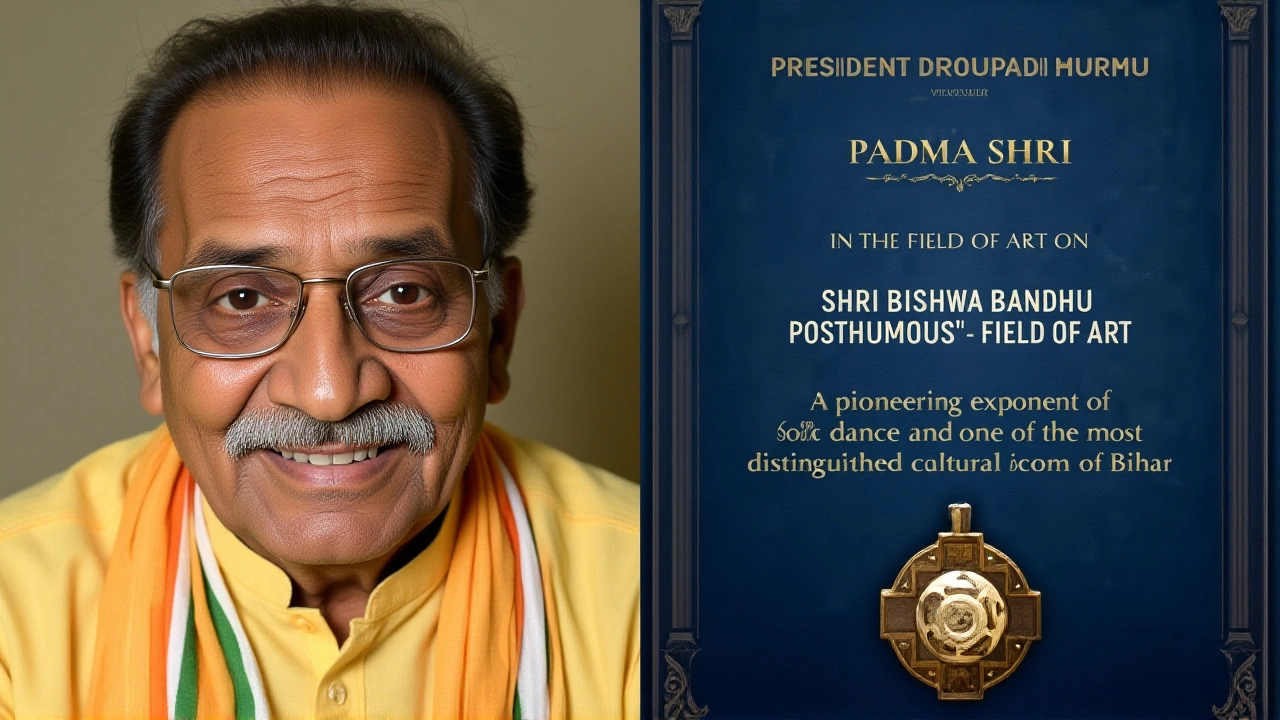
Fact Check: No Evidence of 'Vishwa Bandhu' Padma Shri Award
There is a persistent rumor circulating on social media claiming that Vishwa Bandhu, a legendary folk dancer from Bihar, received a posthumous Padma Shri award. The story also alleges that former Prime Minister Jawaharlal Nehru praised him during the 1962 Sino-Indian War for boosting morale. After an exhaustive search of government records, news archives, and cultural databases, here’s the hard truth: there is zero verifiable evidence to support these claims.
The narrative sounds compelling—a humble artist recognized by the nation’s highest civilian honor, with a dramatic historical backdrop involving national defense. But when you dig into the facts, the story falls apart. It appears to be a case of misinformation mixing real cultural elements with fictional accolades.
What the Search Results Actually Show
We looked everywhere. We searched for "Vishwa Bandhu Padma Shri," checked the official lists from the Ministry of Home Affairs, and reviewed recent press releases from the President of India. Nothing came up. Not a single entry.
Instead, what we found were general articles about Bihar’s rich folk traditions. Sources like WordPress blogs, educational PDFs from state departments, and exam preparation sites discuss dances like Jat-Jatin, Jhumar, and Bidesia. They mention famous figures like playwright Bikhari Thakur, who popularized Bidesia theatre. But nowhere in these authoritative texts is there a mention of a dancer named Vishwa Bandhu receiving any national award.
One Justdial listing even appeared for a "dancer at Bihar Regimental Centre, Patna," but this was just a local business contact, not a biographical record or news report. The absence of data is deafening. In the world of Indian civil awards, if it happened, it’s documented. If it’s not in the Gazette of India, it didn’t happen.
The Real Folk Heroes of Bihar
While Vishwa Bandhu remains an unverified figure in this context, Bihar does have a vibrant folk culture that deserves recognition. The search results highlighted several authentic forms:
- Jat-Jatin Dance: A wedding celebration staple in the Bhojpur region, known for its joyous camaraderie between young men and women.
- Jhumar Dance: An energetic spring festival dance performed by Munda and Oraon tribes, often linked to Holi celebrations.
- Bidesia Theatre: A significant folk theatre form created by Bikhari Thakur, reflecting the lives of migrants leaving their homeland.
- Jhijhia Dance: Performed by young girls during Chhath Puja and Navratri, featuring intricate footwork synchronized with traditional beats.
- Launda Naach: A unique performance where male dancers dress in female attire, popular in Bhojpuri-speaking regions.
These are the real cultural treasures of the state. They are performed at harvest festivals, religious programs, and social gatherings, bringing rhythm and color to daily life. Yet, none of these descriptions link back to the viral claim about Vishwa Bandhu.
Why This Misinformation Spreads
Here’s the thing: fake stories often blend truth with fiction to sound credible. By attaching a real historical event—the 1962 war—and a real political figure—Nehru—to a vague cultural hero, the story gains emotional weight. People want to believe in unsung heroes. They want to think that art played a role in national resilience.
But history doesn’t work that way. Jawaharlal Nehru did praise many artists, but his public statements are well-documented. There is no record of him singling out a folk dancer named Vishwa Bandhu for wartime contributions. The 1962 conflict was a military and diplomatic crisis; while morale was crucial, specific citations of individual folk performers in official histories are non-existent.
This kind of digital folklore is common. It fills gaps in our knowledge with comforting narratives. However, as responsible readers, we need to distinguish between verified history and internet myths. The lack of primary sources—no newspaper clippings from the 1960s, no government gazette entries, no family testimonials—is a major red flag.
Impact on Cultural Discourse
When false information spreads, it dilutes the achievements of actual awardees. The Padma Shri is a prestigious honor given to individuals for distinguished service in various fields. In recent years, several Bihar-based artists have received it, including musicians and writers. Confusing them with fictional characters undermines their legacy.
Moreover, it misleads younger generations interested in Bihar’s heritage. Instead of learning about Bikhari Thakur’s contribution to Bidesia or the tribal roots of Jhumar, they might focus on a phantom figure. This distracts from the genuine preservation efforts needed for these endangered art forms.
Frequently Asked Questions
Did Vishwa Bandhu really receive a Padma Shri?
No. Extensive searches of government records, news archives, and cultural databases reveal no evidence of a person named Vishwa Bandhu receiving a Padma Shri award, either before or after death. The claim appears to be unsubstantiated misinformation.
Who is the famous folk artist from Bihar who received national awards?
While Vishwa Bandhu is unverified, other Bihar artists like playwright Bikhari Thakur are widely recognized for their contributions to Bidesia theatre. Several contemporary musicians and dancers from Bihar have also received Padma awards, but their names are distinct and publicly documented in official gazettes.
Did Jawaharlal Nehru praise folk dancers during the 1962 war?
There is no historical record of Jawaharlal Nehru specifically praising a folk dancer named Vishwa Bandhu during the Sino-Indian War. While cultural events may have occurred, such specific attributions are not found in official biographies or wartime documentation.
What are the major folk dances of Bihar?
Major folk dances include Jat-Jatin (weddings), Jhumar (tribal spring festival), Bidesia (theatre), Jhijhia (Chhath Puja), and Launda Naach. These forms are integral to Bihar’s cultural identity and are performed across various regions like Bhojpur, Mithila, and tribal areas.
How can I verify Padma Award recipients?
You can verify Padma Award recipients through the official website of the Ministry of Home Affairs or the Gazette of India. All awardees are listed with their full names, categories, and years of award. Any name not present in these official records has not received the honor.

About Author